 Image 1 of 2
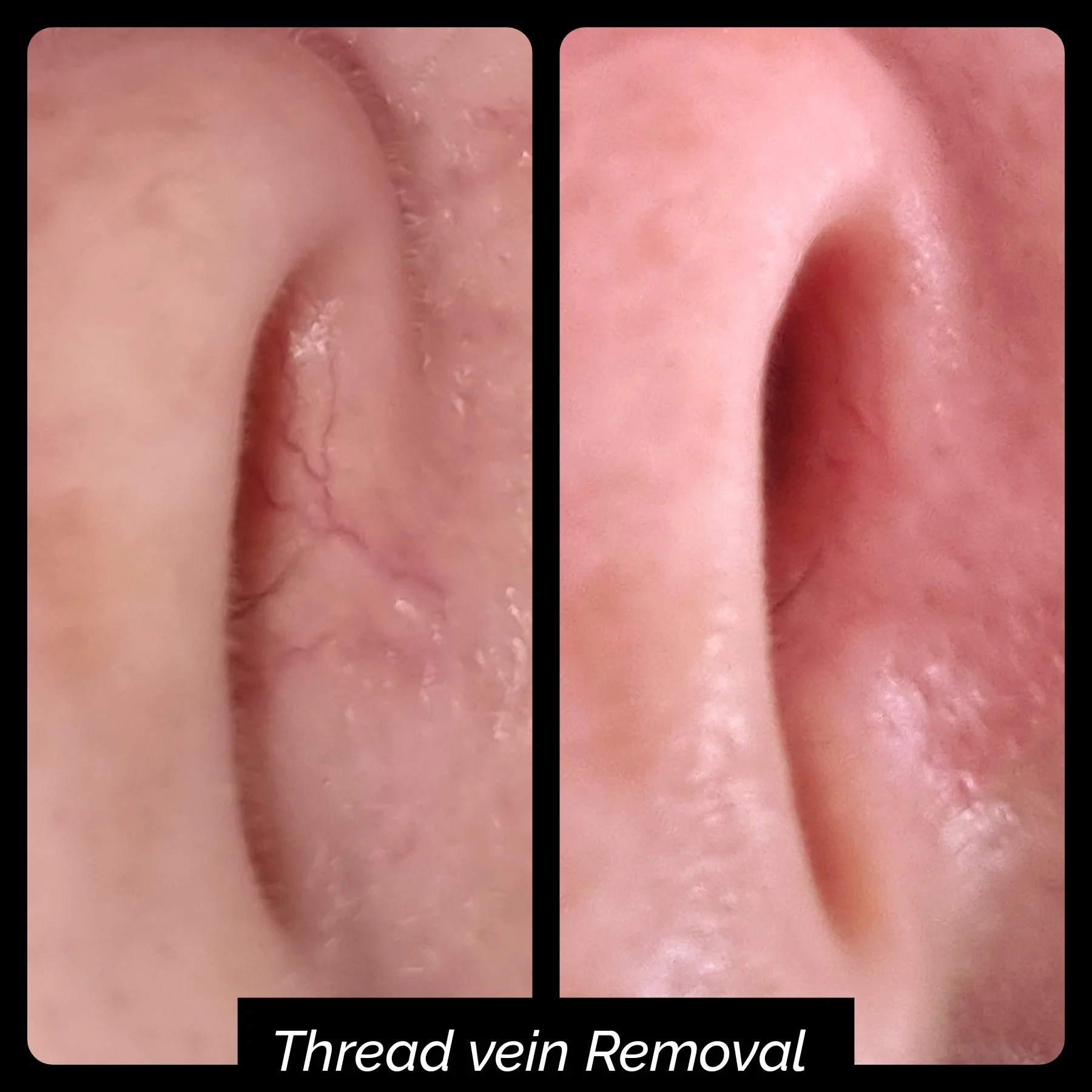 Image 2 of 2
Discounted package offer
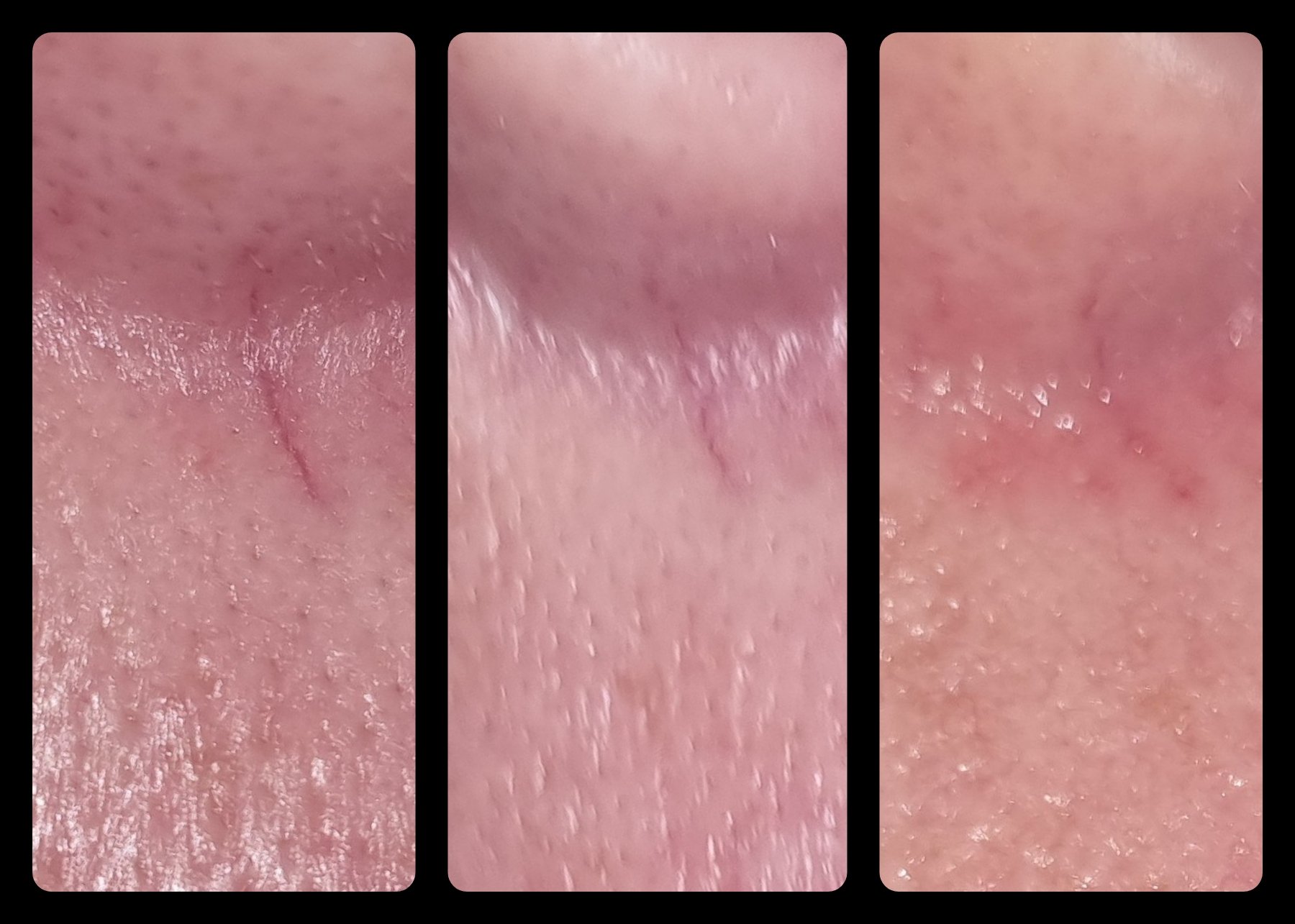
“Spider veins” (medical term: ) are small dilated blood vessels visible on the surface of the skin, often red, purple or blue in colour.
They commonly appear on the legs and face.
They’re usually more of a cosmetic concern than a serious health issue—though underlying venous issues should sometimes be checked.
A laser or light-based device is used to deliver energy to the affected vessels. The light is absorbed by the blood/haemoglobin in the vessels, heating them, causing them to clot, collapse and gradually be reabsorbed by the body.
Effectiveness depends on size, location and depth of the vein: very fine superficial veins respond best; deeper or larger veins are more difficult.
Non-invasive: no incisions or sutures in most cases.
Minimal downtime for many patients: you can often resume normal activities quickly.
Good option when injections (like sclerotherapy) are not suitable (for tiny veins, people averse to needles etc.).
Not all spider veins will respond completely: especially larger or deep veins may require multiple sessions and might respond less well.
Treated veins generally don’t return, but new veins may form because the underlying causes (genetics, circulation, sun damage) are still present.
Potential risks include:
Temporary redness, swelling, or bruising of the treated area.
Pigmentation changes: skin may darken (hyperpigmentation) or lighten (hypopigmentation) especially in darker skin types.
Burns, crusting, blistering in rare cases if energy settings are too high or skin conditions not ideal.
VERY rarely: scarring, nerve damage, or blood clots.
Small, superficial spider veins (e.g., on face, cheeks, nose) rather than large, bulging veins on legs.
Someone wanting a non-needle option.
Someone with realistic expectations (may need more than one session, and new veins may appear).
If you have larger or deep feeder veins (on legs) then other treatments (sclerotherapy, radiofrequency, etc) may be more effective.
If you have a tan, sunburn, or darker skin type: risk of pigmentation increases.
If you have skin infections, open wounds in the area, have used recent aggressive skincare (e.g., retinoids) or are on medications that affect healing, you may need to wait or use alternative options.
Before: we will assess your veins, skin type, medical history, may take photographs.
During: The treatment often takes 15-30 minutes depending on area. The provider may apply a cooling device to protect skin. Discomfort is usually mild (some describe as snapping rubber band).
After: You may have redness or swelling; you’ll often be advised to avoid sun exposure, tanning for a while, avoid hot baths/saunas, use sun protection. New activity restrictions may be minimal if it’s superficial.
Results: You may see improvement over weeks; sometimes multiple sessions (2-6) may be needed.
Discounted package offer
“Spider veins” (medical term: ) are small dilated blood vessels visible on the surface of the skin, often red, purple or blue in colour.
They commonly appear on the legs and face.
They’re usually more of a cosmetic concern than a serious health issue—though underlying venous issues should sometimes be checked.
A laser or light-based device is used to deliver energy to the affected vessels. The light is absorbed by the blood/haemoglobin in the vessels, heating them, causing them to clot, collapse and gradually be reabsorbed by the body.
Effectiveness depends on size, location and depth of the vein: very fine superficial veins respond best; deeper or larger veins are more difficult.
Non-invasive: no incisions or sutures in most cases.
Minimal downtime for many patients: you can often resume normal activities quickly.
Good option when injections (like sclerotherapy) are not suitable (for tiny veins, people averse to needles etc.).
Not all spider veins will respond completely: especially larger or deep veins may require multiple sessions and might respond less well.
Treated veins generally don’t return, but new veins may form because the underlying causes (genetics, circulation, sun damage) are still present.
Potential risks include:
Temporary redness, swelling, or bruising of the treated area.
Pigmentation changes: skin may darken (hyperpigmentation) or lighten (hypopigmentation) especially in darker skin types.
Burns, crusting, blistering in rare cases if energy settings are too high or skin conditions not ideal.
VERY rarely: scarring, nerve damage, or blood clots.
Small, superficial spider veins (e.g., on face, cheeks, nose) rather than large, bulging veins on legs.
Someone wanting a non-needle option.
Someone with realistic expectations (may need more than one session, and new veins may appear).
If you have larger or deep feeder veins (on legs) then other treatments (sclerotherapy, radiofrequency, etc) may be more effective.
If you have a tan, sunburn, or darker skin type: risk of pigmentation increases.
If you have skin infections, open wounds in the area, have used recent aggressive skincare (e.g., retinoids) or are on medications that affect healing, you may need to wait or use alternative options.
Before: we will assess your veins, skin type, medical history, may take photographs.
During: The treatment often takes 15-30 minutes depending on area. The provider may apply a cooling device to protect skin. Discomfort is usually mild (some describe as snapping rubber band).
After: You may have redness or swelling; you’ll often be advised to avoid sun exposure, tanning for a while, avoid hot baths/saunas, use sun protection. New activity restrictions may be minimal if it’s superficial.
Results: You may see improvement over weeks; sometimes multiple sessions (2-6) may be needed.